Chubby Chic

Author name: MQ Team

Uncategorized

Clothing Fabrics to Avoid During Pregnancy & Why

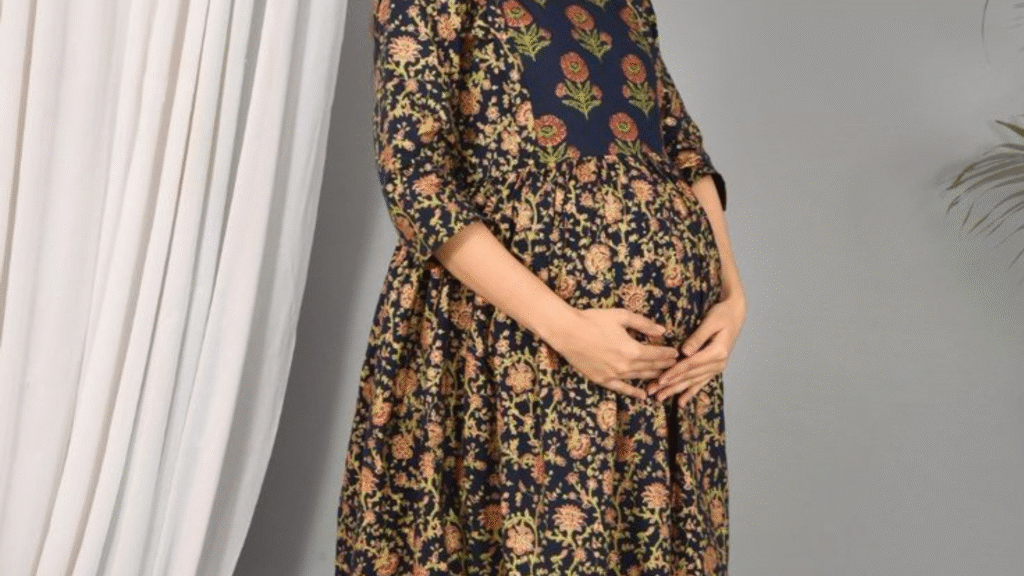
Clothing Fabrics to Avoid During Pregnancy & Why Clothing Fabrics to Avoid During Pregnancy & Why Pregnancy is a time when your comfort matters more than ever  and the fabrics you wear play a huge role in how you feel. While style is important, choosing the wrong fabrics can lead to discomfort, overheating, or even skin irritation. Here’s a guide to fabrics you should avoid during pregnancy and why  plus a note on how certain styles like chubby chic fit in. Synthetic Fabrics (Polyester, Nylon, Acrylic) Why Avoid: These fabrics don’t breathe well, trapping heat and sweat against your skin. Can cause skin irritation or rashes, especially if you already have sensitive skin during pregnancy. May lead to overheating, which is uncomfortable and unhealthy for both mom and baby. Better Alternative: Choose natural, breathable fabrics like cotton, linen, or bamboo. Rough or Scratchy Wool Why Avoid: While wool is warm, coarse varieties can feel itchy and irritating on pregnancy-sensitive skin. Can trigger skin allergies or make existing dryness worse. Better Alternative: Opt for soft merino wool or cotton blends if you need warmth Tight, Non-Stretch Denim Why Avoid: Restricts movement and puts unnecessary pressure on your growing belly. Can cause circulation issues in your legs and discomfort around your waist. Better Alternative: Use maternity jeans with stretchy waistbands or jeggings made from soft, breathable cotton blends. Fabrics That Don’t Wick Moisture Why Avoid: Pregnancy can increase sweating, and fabrics that trap moisture may cause discomfort and odor. In hot or humid weather, this can lead to skin infections or heat rash. Better Alternative: Bamboo, modal, or moisture-wicking cotton fabrics. Fabrics with Harsh Chemical Dyes or Finishes Why Avoid: Some fabrics are treated with chemicals to resist wrinkles, stains, or fire  these can irritate sensitive skin or cause allergic reactions. Dark, heavily dyed fabrics may bleed onto your skin when you sweat. Better Alternative: Look for organic cotton or Oeko-Tex® certified fabrics that are tested for harmful substances. Conclusion When you’re pregnant, your clothing should support your comfort, health, and freedom of movement. Avoid fabrics that trap heat, restrict movement, or irritate your skin, and opt for natural, breathable, and safe materials. If you love a style like chubby chic, you can still make it work  just choose lighter, pregnancy-friendly fabrics and avoid overly bulky designs

Uncategorized

Safe Sleeping Positions for Each Trimester

Safe Sleeping Positions for Each Trimester Safe Sleeping Positions for Each Trimester Getting good sleep during pregnancy can feel tricky  your body changes, your baby grows, and your usual sleeping positions may no longer feel comfortable or safe. Knowing which positions work best during each trimester can help you rest better and keep both you and your baby comfortable. First Trimester (Weeks 1–12) In the early weeks, you can usually sleep in whatever position feels natural  including on your back or stomach. Your baby is still small, and there’s no pressure on major blood vessels yet. Tips for Better Sleep: Use a small pillow to support your lower back if needed. Try to develop the habit of sleeping on your side to prepare for later stages. Keep the room cool and dark to improve sleep quality. Second Trimester (Weeks 13–27) This is when sleeping on your back starts becoming less ideal. As your bump grows, it can press on the inferior vena cava (a major vein), which may reduce blood flow to your baby and cause dizziness for you.Best Position: Left side sleeping is most recommended, as it improves blood circulation and reduces pressure on your organs.Comfort Tips: Place a pillow between your knees to reduce hip strain. Use a wedge pillow under your belly for support. Keep your upper body slightly elevated if you experience heartburn. Third Trimester (Weeks 28–40) Sleeping becomes more challenging now due to your belly size, frequent bathroom trips, and possible back pain.Best Position: Continue left-side sleeping, as it maximizes oxygen flow to your baby and helps your kidneys function efficiently.Comfort Tips: Use a full-length pregnancy pillow for all-around support. Place a small pillow behind your back to prevent rolling onto your back. Sleep slightly propped up if you have breathing difficulties or acid reflux. What to Avoid Sleeping on your back after mid-pregnancy: Can reduce blood flow and cause discomfort. Sleeping on your stomach after the first trimester: Becomes impractical and may strain ligaments. Conclusion The right sleeping position during pregnancy can make a big difference in your comfort and health. Start practicing side sleeping early, invest in supportive pillows, and listen to your body  it will tell you when it needs a change. Rest well, because your body is working hard to grow new life.

Uncategorized

Stretch Marks in Pregnancy: Prevention, Care & Acceptance

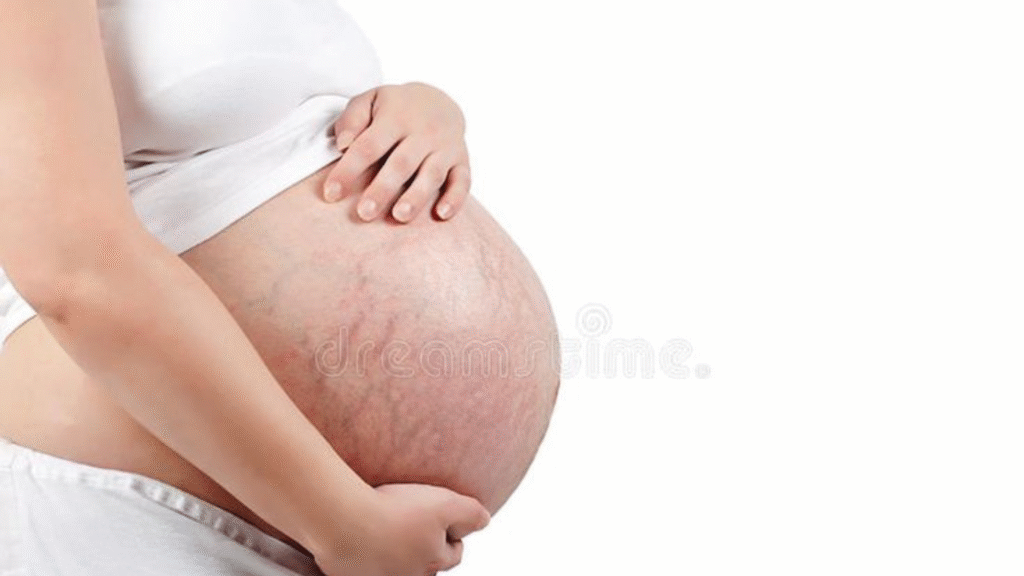
Stretch Marks in Pregnancy: Prevention, Care & Acceptance Stretch Marks in Pregnancy: Prevention, Care & Acceptance Stretch marks are one of the most common changes during pregnancy  and one of the most talked about. They often appear on the belly, breasts, hips, thighs, or arms as your body grows to accommodate your baby. While they are completely normal, many moms-to-be wonder if they can prevent them, how to care for their skin, and how to embrace these marks as part of their journey. Why Stretch Marks Happen Stretch marks occur when your skin stretches faster than it can produce collagen and elastin, causing tiny tears in the dermis. Hormonal changes in pregnancy can also make skin more prone to developing them. Can You Prevent Them? While genetics play a big role, there are steps you can take to keep your skin healthy and supple: Moisturize Daily: Use rich creams or oils with cocoa butter, shea butter, or vitamin E. Stay Hydrated: Drink enough water to keep your skin elastic. Maintain Healthy Weight Gain: Gaining weight gradually can reduce sudden skin stretching. Eat Skin-Friendly Foods: Include protein, healthy fats, and vitamin C-rich fruits to support collagen production. Caring for Existing Stretch Marks Stretch marks may fade over time, but you can help improve their appearance: Topical Treatments: Products with hyaluronic acid, retinol (post-pregnancy only), or centella asiatica may help. Professional Treatments: Dermatologists can offer options like micro-needling, laser therapy, or chemical peels after delivery. Consistent Skincare Routine: Gentle exfoliation and regular moisturizing can boost skin texture. Embracing Body Changes Stretch marks are not flaws  they are natural reminders of what your body has accomplished. Practicing body positivity during pregnancy can make a big difference: Focus on what your body is creating, not just how it looks. Surround yourself with supportive voices and stories from other moms. Consider them your “tiger stripes”  unique to your motherhood journey. Conclusion  While you may not be able to completely avoid stretch marks, you can keep your skin healthy, treat marks that bother you, and learn to embrace them as part of your transformation. Pregnancy changes your body in incredible ways  and every mark tells your story.

Uncategorized

Body Positivity During Pregnancy: Loving the Changes

Body Positivity During Pregnancy: Loving the Changes Body Positivity During Pregnancy: Loving the Changes Pregnancy transforms your body in ways you might never have imagined. Your belly grows, your curves shift, and you may notice new stretch marks, swelling, or changes in your skin. While these changes are natural signs of the incredible work your body is doing, it’s not always easy to love them. Practicing body positivity during pregnancy can help you feel confident, comfortable, and proud of the life you’re creating. Why It’s Hard to Feel Positive Sometimes Even when you’re excited about your pregnancy, societal beauty standards and social media can create pressure to “bounce back” or stay the same size. Add in fluctuating hormones and tiredness, and it’s no wonder self-doubt creeps in. But here’s the truth: your body isn’t “losing” anything  it’s gaining strength, purpose, and beauty in a way only it can. Ways to Embrace Body Positivity During Pregnancy Focus on What Your Body is Doing, Not Just How It Looks Instead of critiquing the mirror, appreciate your body’s incredible ability to grow and nourish new life. Every stretch mark is a symbol of expansion and resilience. Wear Clothes That Celebrate, Not Hide, Your Shape Maternity wear should make you feel beautiful, not frumpy. Chubby Chic’s soft, flattering silhouettes are designed to support your bump and highlight your natural glow so you feel as good as you look. Surround Yourself With Positive Voices Follow social media accounts and read stories from women who embrace all stages of pregnancy. Replace comparison with connection. Practice Kind Self-Talk When negative thoughts pop up, replace them with affirmations like: “My body is strong and capable.” “I’m creating life, and that’s beautiful.” Capture the Moments Take photos throughout your pregnancy not just posed ones, but everyday moments. Looking back, you’ll see the beauty you might have missed in the moment. Your Comfort Is Part of Your Confidence Body positivity isn’t just about mindset  it’s also about how you feel physically. Wearing breathable fabrics, supportive fits, and colors that brighten your mood can boost your self-esteem instantly. That’s why Chubby Chic focuses on designs that adapt to your body’s changes while keeping you stylish from your first trimester to your last. ConclusionPregnancy is a time of growth, change, and deep transformation. Loving your body during this period means appreciating not just how it looks, but what it’s achieving every day. With the right mindset, support, and a wardrobe that makes you feel amazing, you can walk through these nine months with pride, confidence, and self-love.

Scroll to Top